
Explore real-world examples of how we can drive measurable improvement and operational excellence for our clients. Each project highlights unique challenges, the strategies we implemented, and the tangible outcomes achieved — all on a single page so you can quickly see the results of our approach.

PROCESS GOVERNANCE
Outcome: Achieved consistent, auditable processes across the business, improving operational clarity and efficiency, and providing a scalable model for global operations.
Learn More
We created and implemented this Fortune 500 company’s first process governance framework, where no prior governance or architecture existed. Acting as a change agent, we influenced people leaders to adopt the new structure despite additional administrative work. Then we aligned all business units to a single standard for process documentation using one agreed tool, delivered a comprehensive training framework, and developed a plan to scale the approach globally. This initiative in APAC served as a proof-of-concept for adoption across other geographies.
PICKING productivity uplift
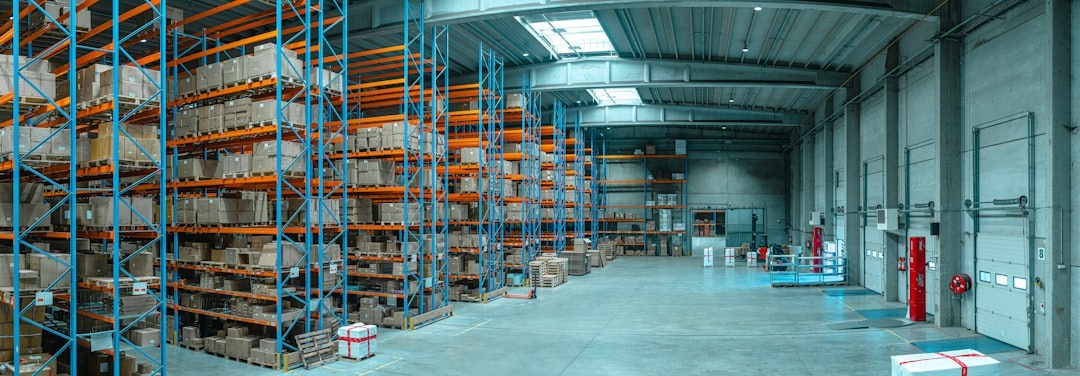
Outcome: Picking efficiency improved by 18%, travel distances for pickers were reduced, pallet restacking minimised, and inventory accuracy increased — providing a replicable slotting model for other sites.
Learn More
At a major 3PL operation, the warehouse managed thousands of SKUs where pickers frequently experienced excessive travel, picking errors, pallet restacking, and finding classified products in non-compliant locations. There was no standardised approach to slotting products, and inventory managers nation wide used their own versions of spreadsheets.
We designed and implemented a standardised slotting strategy, identified and rolled out a purpose built slotting tool, and analysed order and pick data along with SKU master data to determine optimal storage locations. We engaged warehouse supervisors and floor staff to adopt the new framework despite concerns about operational disruption and additional training.
The initiative established clear slotting standards, ownership, and training processes, and included a plan to scale the approach across other regional warehouses.

ASSEMBLY line PRODUCTIVITY
Outcome: The main assembly line throughput increased with no capital investment. Production variability decreased, and the operation achieved more predictable delivery timelines, enhancing overall efficiency.
Learn More
In an automotive assembly operation, line throughput was constrained by sequential assembly steps, causing bottlenecks and inefficiencies. No dedicated sub-assembly area existed, so components were being assembled on the main line, slowing overall production.
We designed and implemented an offline sub-assembly area, defining workflows, staffing requirements, and inventory staging to support the main line. The project delivered streamlined assembly flow, reduced line stoppages, and a clear framework for future sub-assembly processes.
LABOUR MANAGEMENT SYSTEM IMPLEMENTATION
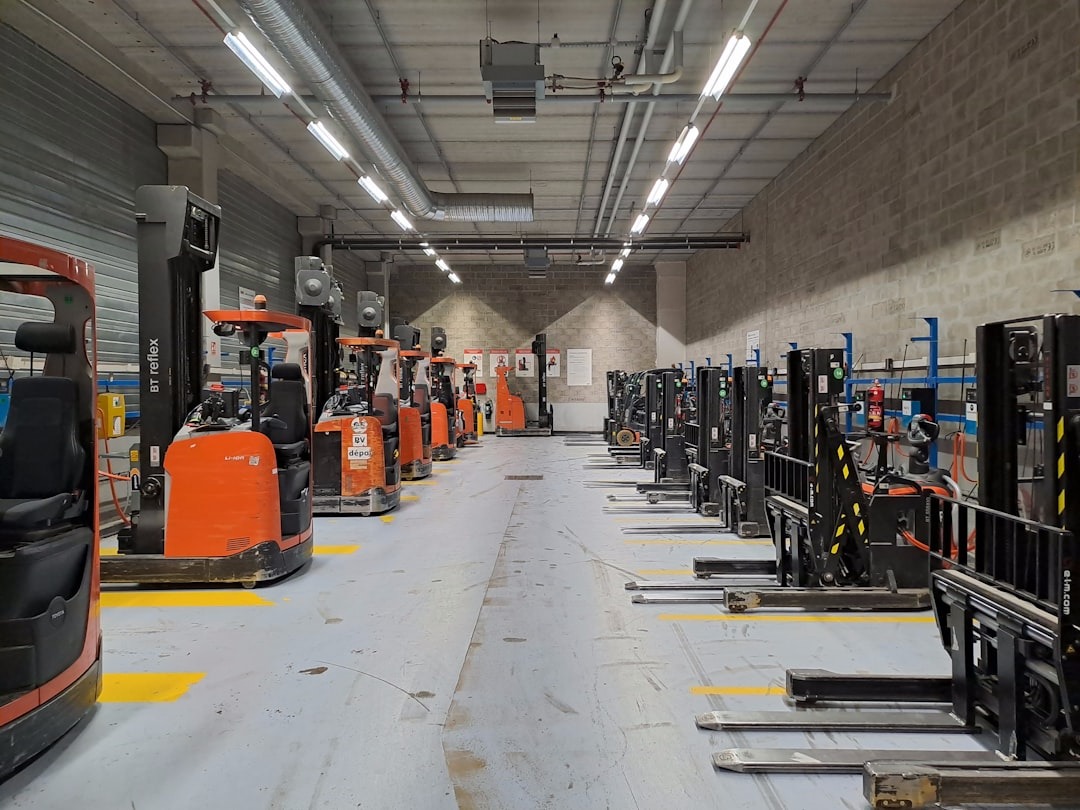
Outcome: Managers could now proactively plan staffing, monitor performance, and optimise labour allocation, improving operational efficiency by 10–15%
Learn More
In a labour-intensive operational environment, there was limited visibility on workforce performance and no consistent way to track productivity. Existing processes were fragmented, and managers relied on experience rather than data to allocate labour.
We led the identification and implementation of a cloud-based labour management system (LMS), integrating it with operational workflows and ensuring standardised reporting across all teams. We configured the reports and coached managers to adopt the system, demonstrating its value beyond administrative work.
The project delivered real-time performance data, standardised workforce tracking, and a foundation for data-driven decisions.
WORKFORCE OPTIMISATION
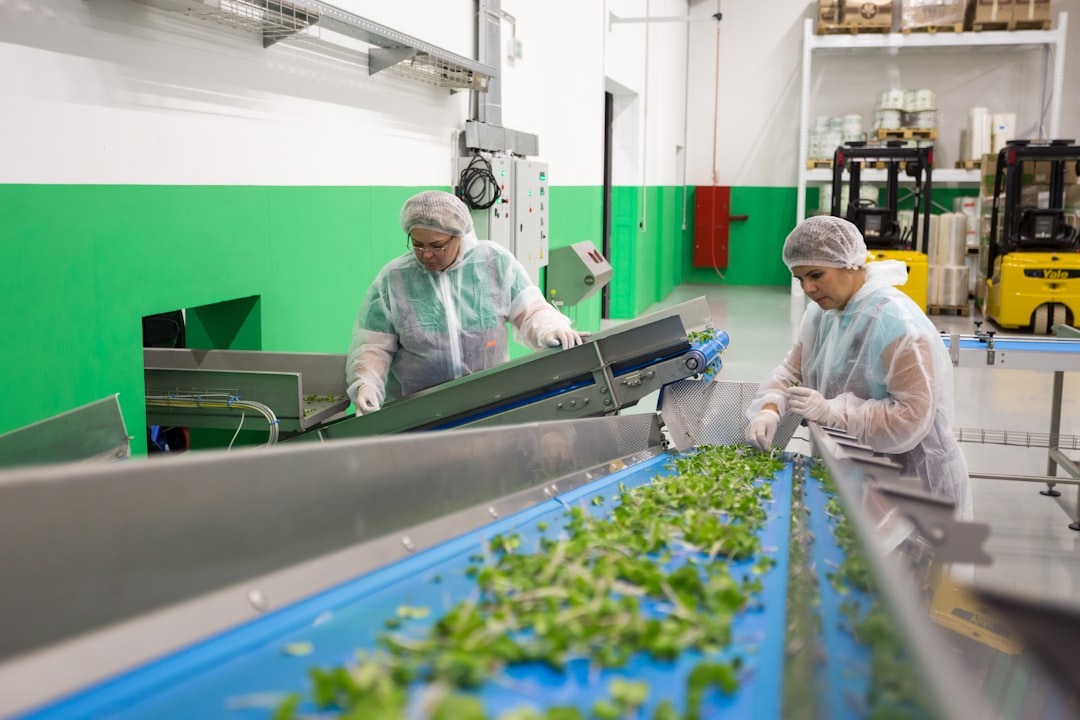
Outcome: Labour costs dropped by 12%, operational continuity improved, and permanent staffing levels better matched actual workload.
Learn More
In a multi-site manufacturing operation with significant seasonal demand, workforce planning had always been reactive. Roles with a substantial baseload of work year-round were being filled by a revolving door of casual and contracted labour, and no data analysis had been done to understand utilisation or staffing patterns.
We led an initiative to analyse workforce data, uncovering opportunities to convert stable, year-round roles to permanent staff while retaining flexibility for seasonal peaks. We worked closely with local management teams to address concerns about administrative burdens, strategy adoption, and continual review mechanisms.
The project established clear workforce planning standards, conversion guidelines, and a roadmap for scaling the approach across multiple teams.

PERFORMANCE-BASED INCENTIVE ROLLOUT
Outcome: Overall labour productivity improved by 5%. Employee engagement improved, high performers were recognised consistently, and teams aligned more closely with operational targets.
Learn More
At a global leader in cold chain logistics, employee motivation and engagement were identified to be inconsistent nationwide, and there was no formal system to reward high performance.
We designed and implemented a performance-based incentive program, aligned with operational goals and measurable outcomes. We conducted time and motion studies, established engineered labour standards, confirgured dynamic performance expectations in the system based on complexity of work assigned, and interlinked with time and attendance systems to generate a performance report.
The initiative established clear performance metrics, transparent reward structures, and a feedback loop for continuous improvement.
Let’s work together… your success story could be next!